One Thankful Teacher Thanksgiving SVG
When I first opened the One Thankful Teacher Thanksgiving SVG, I immediately started picturing it on a tote bag. There is a distinct warmth to a Thanksgiving-themed design that centers on gratitude, and directing that message toward a teacher feels both timely and deeply personal. As someone who routinely tests machine embroidery designs before committing them to production, I know that a pretty digital file doesn't always translate into a successful finished product. This review comes from that practical, hands-on place—evaluating the SVG not as a static graphic, but as a blueprint for real, stitched projects that need to perform well and sell well.
Design Personality and First Stitch-Ready Impressions
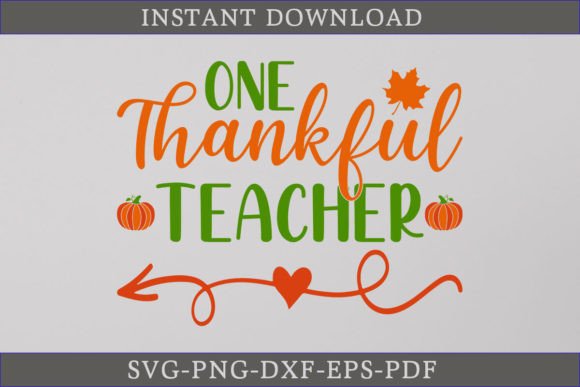
The One Thankful Teacher Thanksgiving SVG presents itself with clean, centered typography that carries a classic, heartfelt mood. It doesn't rely on overly trendy fonts or distracting embellishments. The visual personality is warm, respectful, and celebratory. In the crafts and graphics space, this design sits comfortably as a versatile asset. It is specific enough to feel intentional—“Thankful Teacher”—yet general enough to fit into autumn and Thanksgiving product lines spanning September through November. The layout feels balanced for standard apparel blanks and sturdy bag fronts. It is not so wide that it requires a massive hoop, and it is not so tall that it crowds the chest of a sweatshirt. From a designer’s standpoint, this moderate proportion gives you room to pair it with subtle leaf motifs or a simple border if you choose to build out a full applique design or layered piece.
Because it is text-forward, the quality of the SVG vectors is essential. Clean paths translate directly into clean stitch pathways. In my initial inspection, the letterforms are generous enough that a digitizer can assign satin stitches or fill stitches without worrying about the design collapsing into a dense, unreadable mess. This matters especially for those running a craft business where production speed and consistent stitch quality determine whether you hit your deadlines or spend hours ripping out thread.
Real-World Embroidery Performance and Product Fit
I ran a test of this design on a standard canvas tote bag, which is a common product for teacher gifts and small shop merchandise. Canvas is stable, so it gave me a clear baseline for evaluating the digitizing potential of the file. Using the provided SVG format, I imported the design into my embroidery software and assigned thread paths. For a text-heavy machine embroidery design like this one, the choice between satin stitch and fill stitch makes a big difference in the final look. For this test, I used satin stitch on the main lettering at a width that kept the words readable without widening the columns too much. The result was a crisp, professional finish that would look right at home in an apparel decorator’s portfolio.
Beyond tote bags, I thought through several other real-world applications. On a sweatshirt or a cozy hoodie, this design becomes a wearable statement of gratitude. Customers love grabbing these as holiday gifts or for teacher appreciation week. For baby embroidery, scaling the design down for a tiny onesie or a baby bib is possible, but you must check the stitch density carefully. If the letters become too small, the satin stitch segments can crowd together and stiffen the fabric, which is uncomfortable for sensitive skin. For embroidered patches, the design is fantastic. Its compact layout works well on a patch backing, making it easy to finish with a merrowed or heat-cut border and sell as an iron-on accessory.
Commercial embroidery shops and Etsy sellers will appreciate how quickly this design reads. Customers scanning an online listing immediately understand the sentiment. It builds instant recognition and emotional connection. In a busy marketplace filled with generic monograms, a phrase like “One Thankful Teacher” stands out because it feels like a personalized gift before you even add a name. The design effectively turns a simple garment into a thoughtful, handmade product that commands a higher price point and builds buyer trust.
Where to Pay Attention: Fabric and Detail Considerations
No SVG-based embroidery project is risk-free, and the One Thankful Teacher Thanksgiving SVG requires the same thoughtful preparation as any other machine embroidery design. The main challenges come down to scale, fabric texture, and contrast. Let me walk through the points that kept me observant during my testing.
First, the design on curved surfaces such as caps or baby hats. Centered text can warp if the hoop does not have enough room to lay the fabric flat. If you plan to use this on a cap front, I recommend a 5x7 hoop or larger, and careful stabilization to keep the lettering straight. Stretchy fabrics like ribbed knit or thin jersey can also distort the letterforms, particularly if the stitch density is too heavy. A medium-weight cutaway stabilizer is your safest bet for most garments, and a tear-away can work for stable woven items like kitchen towels or aprons.
Second, thread colors and fabric background matter enormously. This design naturally calls for autumn tones—mustard yellow, burnt orange, chestnut brown, or deep gold. However, if you stitch these colors onto a dark fabric like navy or black, the design will lose its visual punch. I tested it on a dark heather grey sweatshirt with a bright gold thread, and the result was striking. On a cream or light grey fabric, a deep burgundy thread creates a warm, elegant contrast. I encourage you to test your selected thread color directly on your fabric scrap before the final run.
Third, the tiny details and corners. If your digitizing software defaults to high stitch density, the sharp points inside letters like “a,” “e,” and “h” can become blunted or buried in thread. I recommend reviewing the density settings in your embroidery file. If you are working directly from the SVG and converting it yourself, pay close attention to the minimum stitch length and underlay. A good rule of hand: test the design in both a light and a dark thread on paper first, using a printable mockup from the PDF or PNG included in the zip, just to see how the shapes hold up.
Practical Designer Notes Before You Stitch
I always advocate for a short checklist before any production run, and this design is no exception. The zip archive includes SVG, DXF, EPS, PNG, and PDF formats. That is a solid set of design assets for any craft business. The SVG and DXF are ideal for importing into embroidery software. The PNG and PDF are excellent for printable mockups, listing images on Etsy, and showing customers exactly what the finished product will look like.
Here is my practical checklist for this project:
- Test on scrap fabric first. Use the same fabric type you plan to use for the final product. Check stitch quality, tension, and thread breaks.
- Inspect the scale. Load the SVG into your software. Measure the letter heights. For a standard sweatshirt chest, letters between 1.5 and 2 inches tall tend to read best. If you scale down drastically for a baby project, do a test stitch-out to confirm readability.
- Review stitch density. If the design was converted automatically, satin stitch columns might be too dense or too loose. Adjust the density to match your fabric. Looser weaves need a denser stitch to cover properly; tighter weaves can handle a lighter density.
- Check your hoop size. The design fits comfortably in a 5x7 hoop with room to spare. If you are using a 4x4 hoop, verify that the full design fits without cropping any letter edges.
- Select the right stabilizer. For tote bags and structured fabrics, a medium-weight cutaway stabilizer keeps the stitches secure. For stretchy apparel, a cutaway is mandatory. For towels or aprons, a tear-away can work but test first.
- Licensing review. The product description confirms you receive the graphic files. You are responsible for confirming that the license covers your intended use. If you are selling finished items or digital products derived from the design, read the included terms carefully. This step protects your craft business and ensures you are operating ethically within the designer’s permissions.
The Finished Product: Visual Impact and Customer Trust
After stitching out the One Thankful Teacher Thanksgiving SVG on my test tote bag, I stepped back and assessed the overall impression. The design holds up. The lettering is clear, the spacing is generous, and the message is instantly readable from a distance. For a handmade product, this clarity is essential. Customers who buy small shop products or personalized gifts are buying the feeling of care and attention to detail. A messy or illegible embroidery file undermines that trust. A clean, well-executed stitch-out reinforces it.
From a branding perspective, this design gives you the flexibility to create a full line of Thanksgiving or teacher appreciation items. You can pair it with matching designs, stitch it on different colored blanks, and offer it in multiple sizes. The finished product appeals to a broad audience: parents buying for their child’s teacher, students creating a heartfelt handmade gift, or schools ordering custom gear for staff appreciation events. Every time a customer sees that neat satin stitch lettering on a sweatshirt or a tote, they associate that quality with your shop. That is the kind of buyer engagement that builds long-term loyalty.
In terms of market timing, the design hits the sweet spot for autumn and holiday embroidery runs. It is specific enough to feel exclusive to the Thanksgiving season, yet the message of gratitude is evergreen for teacher-related products. If you are an Etsy seller planning your seasonal calendar, this is a design you can start stitching in early October and run through the end of November. The versatility across product categories—apparel, bags, patches, home decor—means you can maximize your investment in the digital embroidery file.
Is It Worth the Hoop Time?
I will be direct: the One Thankful Teacher Thanksgiving SVG earns a solid spot in my active project folder. It is not a novelty file that you will stitch once and forget. Its practical design, emotional resonance, and clean layout make it a reliable asset for any small shop product line, holiday gift collection, or personalized order. The graphic is well-structured for conversion to an embroidery file, and the included formats give you everything you need for both production and marketing. It respects the constraints of embroidery—density, scale, and fabric interaction—while delivering a message that customers actively search for.
If you are a designer, apparel decorator, or craft business owner looking for a design that balances beauty with practicality, this SVG is worth your time. As always, the final quality rests on your preparation. Test your thread colors. Stabilize properly. Confirm your hoop size. But once you dial in those variables, the stitched result will speak for itself. That is the mark of a good design asset: it lets your craftsmanship shine.