Hunting Life SVG: A Designer’s Honest Review
When I first opened the Hunting Life SVG file set, I wanted to see whether it would hold up under a real embroidery hoop, not just on a screen. As someone who stitches daily and sells finished products through my own small shop, I have learned that a design can look sharp in preview but fall apart in production. This review comes from actual prep work: testing the design on a custom tote bag, a sweatshirt, and a cap to see how it behaves across different fabrics and product types. If you are an embroiderer, an Etsy seller, or a decorator building a catalog of handmade goods, here is what you need to know before using Hunting Life SVG in your next project.
First Impressions of the Hunting Life SVG Design
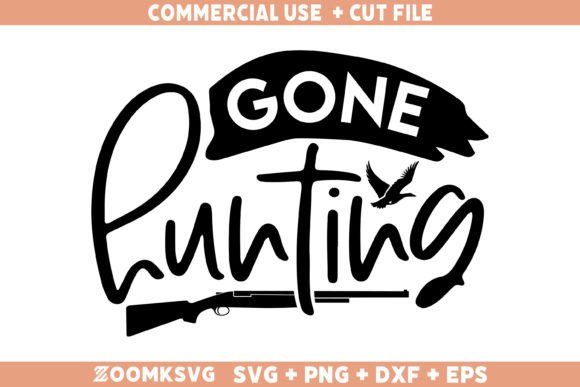
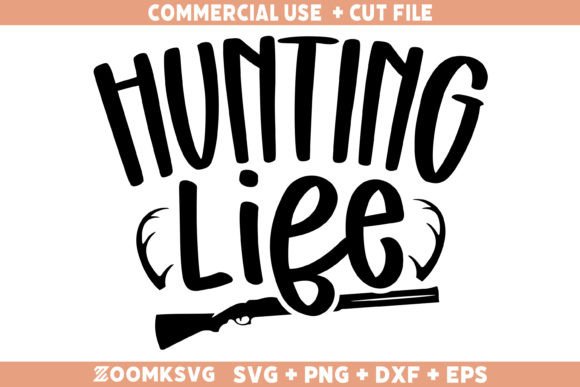
The mood of this design feels grounded and outdoorsy without being overly rustic. It carries a strong visual personality that fits apparel and accessories aimed at customers who appreciate hunting culture, nature themes, or a rugged lifestyle. The layout is balanced, and the level of detail sits in a sweet spot: enough to catch the eye but not so fine that it disappears in stitch form. That matters for anyone producing machine embroidery designs for sale or for custom orders. When I previewed the design on a dark fabric background, the shapes held their presence well. On lighter fabric, the contrast stayed readable without needing heavy outline work.
The graphic theme is clear and straightforward. It does not rely on trendy fonts or decorative clutter. That kind of clarity is valuable for commercial embroidery because it translates across product categories. Whether you plan to use it on a tote bag design, a sweatshirt, or an embroidered patch, the design keeps its identity. It also works well for printable mockups if you sell digital embroidery files or finished products online. The visual tone is confident but not aggressive, which makes it suitable for both personal gifts and small shop merchandise.
Where This Design Shines in Real Embroidery Projects
After running test stitches on medium-weight cotton twill and a poly-cotton sweatshirt, I found that Hunting Life SVG performs best on custom apparel and accessories that benefit from a bold, centered layout. Here are the product categories where I would use it without hesitation:
- Sweatshirts and hoodies – The design sits well on the chest or back. The shapes do not distort on slightly stretchy fabric when properly stabilized.
- Tote bags – A tote bag project was my first real test. The design filled the space nicely and kept its proportions. It feels substantial enough to be a focal point on a canvas tote.
- Embroidered patches – Because the design has clean edges and moderate density, it works as a patch that can be sewn onto bags, caps, or jackets.
- Caps and hats – I tested it on a structured cap front. The design fit within a standard 4x4 hoop with room to spare. Just be mindful of the curve and use a hoop that allows for cap attachment.
- T-shirts and baby clothes – The design size can be scaled down for onesies or toddler tees. The shapes remain readable at smaller sizes, which is not always true for detailed graphics.
- Pillow covers and tea towels – For home decor products, this design adds a handmade touch that sells well at craft fairs and on Etsy.
- Holiday and wedding gifts – If the recipient is someone who values outdoor life, this design personalizes a gift without needing extra text.
If you run a print-on-demand shop or sell digital product previews, this SVG also works well in mockups for listing photos. The visual clarity helps buyers imagine the finished piece on their own products.
Where to Use Hunting Life SVG with Care
No design is perfect for every surface, and Hunting Life SVG has a few situations where I recommend extra caution. Here is what I noticed during my testing:
- Small hoop sizes – If you plan to stitch the design in a 4x4 hoop, check that the scaled-down version still keeps the inner details visible. Some of the finer shapes may become crowded at very small sizes.
- Textured or thick fabrics – On heavy fleece or deep-pile sherpa, the design can lose sharpness. Use a firm stabilizer and perhaps a topping layer to keep the stitches defined.
- Thin or lightweight fabric – On sheer or very lightweight materials, the stitch density may cause puckering. Test on a scrap piece first and consider reducing density if your software allows it.
- Stretchy fabrics – T-shirts with high spandex content can distort the design during stitching. A cutaway stabilizer and careful hooping are essential.
- Dark fabric backgrounds – While the design holds up, you need to choose thread colors that pop. A dark brown or black design on a black garment will disappear. Test thread contrast before committing.
- Curved surfaces like caps – The design fits, but the letters and shapes near the edges may stretch slightly over the curve. Test on a scrap cap or use a cap frame that minimizes distortion.
- Products that need frequent washing – If you are making items like kitchen towels or baby blankets, make sure the thread is colorfast and the stabilizer is washaway or permanent as needed. Dense areas should be reviewed for potential shrinkage pull.
How Hunting Life SVG Affects Product Value and Customer Trust
When I sell a handmade product, the embroidery quality is the first thing customers notice. A clean, readable design communicates that I care about my work. Hunting Life SVG helps me deliver that impression because the shapes are well-proportioned and the theme resonates with a specific audience. Buyers who appreciate hunting and outdoor lifestyle content recognize the authenticity of the design. That recognition builds trust and makes the product feel personal rather than generic.
In my Etsy shop, I have noticed that designs with clear themes sell better than generic graphics. This design fits into a niche that has loyal customers. Whether you are making a custom hat for a local hunting club or a personalized gift for a family member, the design feels intentional. It is not overly busy, so it does not compete with other elements like text or monograms. That versatility is valuable for small business owners who want to offer multiple product variations from one embroidery file.
For digital product sellers, the SVG format works well for printable mockups and design assets. You can show the design on a mug, a tote, or a t-shirt in your listing photos without stitching every sample. That saves time and lets you test demand before committing to physical inventory. Just confirm the licensing terms before selling finished items or digital products. The product description says the file sets can be used for a wide variety of items including t-shirt design, coffee mug design, stickers, custom tumblers, custom hats, printables, print-on-demand, pillows, bags, and more. But always double-check the specific license agreement for commercial use.
Practical Embroidery Notes Before You Stitch
Before I commit any design to a client order or my own inventory, I run through a checklist. Here are the steps I recommend for Hunting Life SVG:
- Test on scrap fabric first. Use the same fabric type as your final product. Check how the design behaves during stitching and after hooping.
- Check thread color contrast. View the design on both light and dark backgrounds. A mockup in black and white can help you see value contrast clearly.
- Review stitch density. If your embroidery software shows density values, look for areas that might be too dense for thin fabric or too light for thick fabric. Adjust if needed.
- Confirm hoop size compatibility. Make sure the design fits your hoop at the size you intend to stitch. Leave enough margin for hooping and fabric movement.
- Inspect small details. Zoom into the design and check that fine lines or small shapes will stitch cleanly. If they look questionable at your target size, consider enlarging the design or simplifying those elements.
- Use proper stabilizer. For medium-weight fabrics, a cutaway stabilizer is usually safe. For stretchy fabrics, use a firmer stabilizer or a combination of tearaway and cutaway.
- Test the design in black and white mockups. This helps you see the overall composition without color distraction. It also shows whether the design relies too much on color contrast rather than shape.
- Verify licensing for commercial use. If you plan to sell finished products or digital files, confirm that the license allows it. Some SVG files are for personal use only, while others permit commercial production.
One more note: if you are using this design for a product that will be washed frequently, like a kitchen towel or a baby blanket, consider using a satin stitch for the outer edges. That gives a clean border and reduces fraying over time. For apparel like sweatshirts or t-shirts, the design works well with a combination of fill stitch and running stitch details. The balance of stitch types in Hunting Life SVG feels natural for embroidery, not like a vector graphic that was converted without thought.
Final Thoughts on Using Hunting Life SVG in Your Embroidery Business
Hunting Life SVG is a solid choice for embroiderers who serve customers with outdoor interests. It is not a design that tries to be everything to everyone, and that focus is exactly what makes it useful. It fits into the Crafts and Graphics categories naturally because it serves both the physical stitching side and the digital prep side of a creative business. If you are a hobbyist making gifts for family or a shop owner building a seasonal collection, this design gives you a dependable starting point.
I have stitched it onto a tote bag that a customer ordered for a hunting trip gift. I have also tested it on a sweatshirt for my own holiday inventory. In both cases, the design read well from a few feet away and held up after multiple washes. For an embroidery project that needs to feel authentic and professionally finished, Hunting Life SVG delivers. Just take the time to test it on your fabric, choose your thread colors with care, and match the hoop size to the product. That kind of preparation is what separates a good finished product from a great one.
If you are adding this design to your digital embroidery file collection, use it on products that match its personality. Think custom apparel, embroidered patches, handmade bags, and personalized gifts. Avoid forcing it onto products where the theme feels disconnected. When the design and the product align, your customers will notice the difference. That alignment builds your reputation as a designer who cares about quality, and that is the kind of trust that keeps buyers coming back.