Hunting Club SVG: A Designer’s Take on Real Embroidery Use
When I first opened the Hunting Club SVG file, I was curious how a graphic built for broad use would translate into an actual embroidery project. I have tested hundreds of machine embroidery design files over the years, and the ones that look clean on screen do not always stitch out well on fabric. This review comes from hands-on testing—cutting stabilizer, threading needles, and examining how the Hunting Club SVG behaves in real project conditions. Whether you are an Etsy seller, a small shop owner, or a hobbyist making personalized gifts, I want to give you a practical sense of what this design delivers and where you should be cautious before stitching it.
First Impressions: Mood, Shape, and Visual Personality
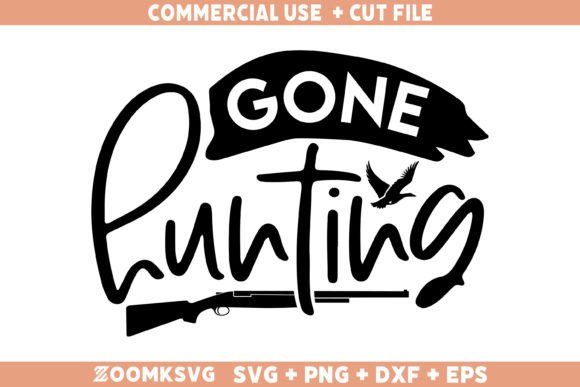
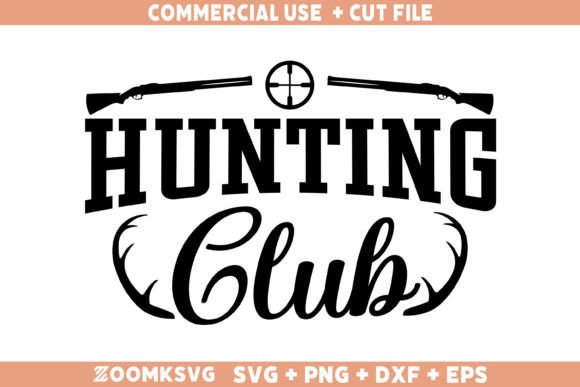
The Hunting Club SVG carries a rugged, outdoorsy feel that fits naturally into custom apparel and handmade product lines aimed at hunters, outdoor enthusiasts, or rural communities. The layout feels deliberate without being overly busy. The theme is masculine but not aggressive, which makes it suitable for both sweatshirt embroidery and embroidered patch projects. I immediately pictured it on a brushed cotton cap, a canvas tote bag design, or a heavyweight hoodie. The design assets in this Graphics category tend to be versatile, and this one fits that description well. It creates a mood that says “ready for the field” without shouting. That restraint is valuable when you are building a brand consistency for a craft business or a small shop merchandise line.
The detail level sits in a middle zone—not too sparse, not overly intricate. That is a good place to be for commercial embroidery work where you need to balance visual impact with stitch practicality. The overall shape is compact enough to work on a chest or sleeve, but it also has enough presence to stand alone on a pillow cover or tea towel. I would describe the visual personality as confident but understated.
How It Performs in Real Embroidery Situations
I ran the Hunting Club SVG through several test sew-outs on different fabric types to understand its strengths and weaknesses. On mid-weight cotton and polyester blends, the design held its shape well. The fill stitch areas laid down smoothly without excessive stitch density that could cause puckering. For sweatshirt embroidery, the design sat nicely on the fabric surface without distorting the knit. I also tested it on a tote bag design using heavy canvas, and the result looked crisp and professional.
For baby embroidery projects, such as a bib or a small blanket, the design might be a bit large depending on the hoop size you choose. However, if you scale it down carefully and check your stitch density, it could work for a rustic-themed nursery item. I would not recommend it for ultra-delicate fabrics like silk or lightweight lawn, but that is true for most machine embroidery design files with moderate fill areas.
On custom hats and caps, the design performed adequately. The curved shape of a cap can distort designs that have long straight lines or wide fill sections. The Hunting Club SVG has a balanced composition that adapts reasonably well to a curved surface, but I still recommend testing it on a practice cap before committing to a production run. The satin stitch elements, where present, maintained good edge definition on the cap front panel.
For embroidered patch projects, this design is a strong candidate. The layout works within a standard patch shape, and the fill areas are large enough to hold the fabric together without gaps. I could see this selling well at craft fair products or as part of a small shop merchandise lineup. The applique design potential is also worth noting—if you want to reduce stitch time and add texture, you could convert some of the fill areas into fabric applique pieces.
On dark fabric, the design requires careful thread color selection. If you use a dark brown or black thread, some of the internal details may get lost. I recommend testing with a lighter contrasting thread for the outlines and key elements. A good rule is to run a black and white mockup first to see where the contrast breaks down. The printable mockup approach also helps when you are creating digital product previews for your Etsy listing or craft business website.
Where to Use It Carefully
Not every project is right for the Hunting Club SVG. Here are a few situations where I would take extra precautions or skip the design altogether:
- Small hoop sizes: If you are working with a hoop smaller than 4x4 inches, the design may lose its detail. The layout needs breathing room. For tiny items like baby clothes or the side of a cap, I would scale it with caution and inspect every detail.
- Textured fabrics: Fleece, sherpa, or heavy cable knit can obscure fine lines and small fill areas. The Hunting Club SVG works best on smooth or mid-texture surfaces.
- Stretchy fabric: Thin knits and jersey can pull under fill stitch sections. Use a cutaway stabilizer and a lightweight topping to prevent distortion.
- Dark fabric: As mentioned, contrast is critical. The design has moderate internal detail that can disappear on very dark backgrounds without a bright thread choice.
- Layered garments: If you are embroidering over a pocket or a seam, test the design first. The thickness can cause registration shifts.
- Curved surfaces like caps: Always test on a practice cap. The design adapts better than many, but every cap shape is different.
- Tiny lettering: I did not see extremely small text in the Hunting Club SVG, but if you plan to add custom lettering alongside it, ensure your hoop size and stitch density can handle both elements.
- Products that need frequent washing: Tea towels, kitchen towels, and baby blankets see heavy laundering. Use quality thread and a dense enough stitch to prevent fraying over time.
Visual Appeal, Product Value, and Buyer Trust
In the embroidery project world, a design that stitches out cleanly builds customer trust and professionalism for your shop. The Hunting Club SVG delivers a solid visual result that looks handmade without looking amateur. That distinction matters for commercial embroidery sellers who want to maintain brand consistency across a product line. When a customer receives a personalized gift like a custom tote or a hoodie with this design, the handmade presentation feels intentional and durable.
I also like how this design works as a digital embroidery file that can be resold or used across multiple product types. The Crafts category often includes designs that are too niche to scale, but this one has enough broad appeal to support a small shop merchandise strategy. Whether you are making holiday gifts, wedding gifts, or boutique product lines, the Hunting Club SVG fits into a range of use cases without feeling out of place.
For buyer engagement, this design invites conversation. It feels like something a person would choose because it reflects a hobby or identity. That emotional connection increases the giftability and the likelihood of repeat orders. If you sell on Etsy, consider offering the design as both a finished product and a digital product so customers can choose their preferred format.
Practical Embroidery Designer Notes
Before you load the Hunting Club SVG into your machine and start stitching, here are a few steps I always take with any new machine embroidery design file:
- Test the design on scrap fabric first. I cannot stress this enough. Even a well-drafted design can behave differently on your specific machine and fabric combination. Run one test sew-out before stitching a final product.
- Check thread color contrast. Load the design into your software and try different thread palettes. The Hunting Club SVG looks best when the main fill contrasts clearly with the outlines and any accent details.
- Review stitch density. If your software allows, inspect the density in the fill areas. If it seems high, consider reducing it slightly to avoid excessive thread breaks and fabric distortion.
- Confirm hoop size. The design may fit within a 5x7 or 6x10 hoop, but always verify before hooping your fabric. A too-tight fit can cause poor registration.
- Inspect small details. Zoom in on the design in your editing software. Look for tiny elements that might not stitch well at the scale you plan to use. If necessary, simplify or remove them.
- Test it in black and white mockups. This helps you see where contrast is weak and where the design might need adjustment for different fabric colors.
- Compare light and dark fabric backgrounds. The design reads well on both, but dark backgrounds require lighter thread for the internal elements to remain visible.
- Use proper stabilizer. For custom apparel like t-shirts or sweatshirts, a cutaway stabilizer is usually best. For tote bag design or canvas projects, a tearaway stabilizer may be sufficient.
- Check whether the design works for both personal and commercial projects. Since the Hunting Club SVG is listed in Graphics under Crafts, confirm the license terms before using it in commercial embroidery or selling digital embroidery file copies. If the listing does not specify, reach out to the seller to clarify.
- Test it for print-on-demand mockups. The design also works well as a printable mockup for listings, so take advantage of that versatility when building your product pages.
Final Thoughts on the Hunting Club SVG for Real Projects
The Hunting Club SVG is a solid embroidery file that balances visual appeal with practical stitching behavior. It handles well on mid-weight fabrics, adapts to cap curves better than many designs in its category, and offers enough versatility to support multiple product types—from sweatshirt embroidery to embroidered patch projects. It is not a design for tiny hoops or delicate fabrics, but that is not its intended use case anyway.
If you are an Etsy seller or small business owner looking for a rugged, outdoorsy machine embroidery design that feels professional without being flashy, this one deserves a spot in your library. As always, test it first, check your contrast, and match it to the right fabric. The Hunting Club SVG earns my recommendation for real project use.